English
 français
 Deutsch
 русский
 italiano
 español
 português
 العربية
 日本語
日本語 Polski
 中文
中文
How can we help you
You can contact us at any way that is convenient for you. We are available at 24 hours/7 days via email or telephone.
Contact Us
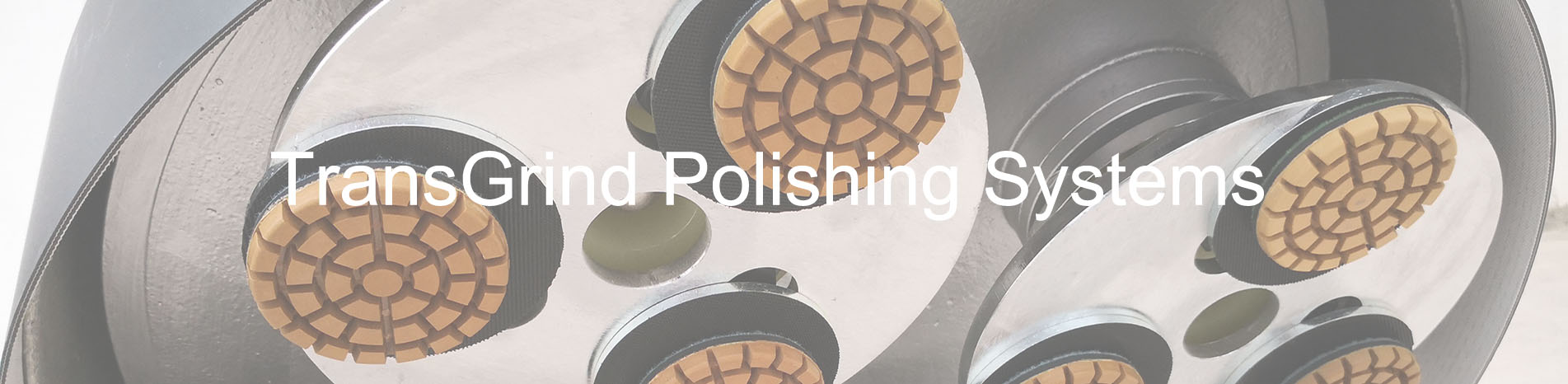
Picking the right diamond grinding tools for concrete begins with knowing the concrete you’re working on—its hardness, its surface condition, and what the job requires. Harder concrete generally needs softer bond tools so the diamonds keep breaking through and grinding effectively. Softer concrete, on the other hand, usually performs better with harder bond tools to help prevent rapid, excessive wear. To get clean, efficient cutting, consistent scratch patterns, and longer tool life, it’s crucial to choose the right mix of bond type, segment design, and grit size.
Understand the Surface Condition
Before you choose a grinding tool, take time to inspect the floor closely. Some concrete surfaces may have old coatings, adhesives, sealers, or uneven spots that can change how the tool performs. Floors with thick coatings often need aggressive grinding or coating removal tools before using standard grinding equipment. Meanwhile, newly poured or relatively clean concrete may only need standard metal bond grinding tools like Werkmaster metal diamond grinding tools to level and prep the surface. Evaluating the slab properly helps prevent unnecessary tool wear and supports better job productivity.
Match the Tool to the Grinding Stage
Different phases of concrete grinding call for different diamond tools. Coarse grit tools are typically used for heavy material removal, surface leveling, or breaking open the concrete surface. Medium grits help refine the scratch pattern, while finer grits are used to get the floor ready for polishing or coatings. If you skip grit steps, you may end up with visible scratches and uneven results, so following a logical grit progression is important for both efficiency and final finish quality.
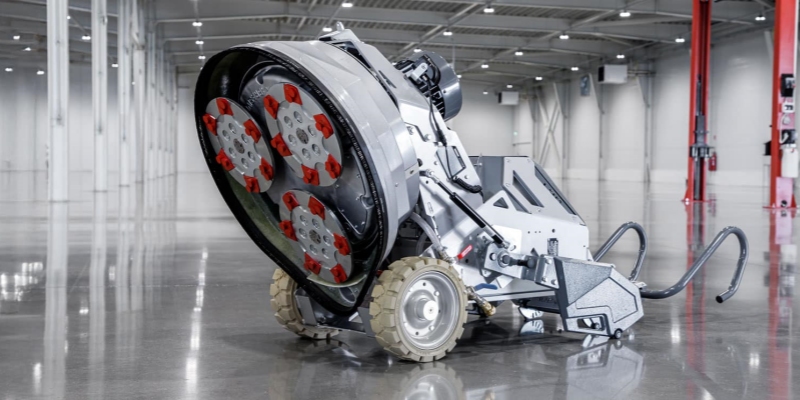
Consider Segment Design and Machine Compatibility
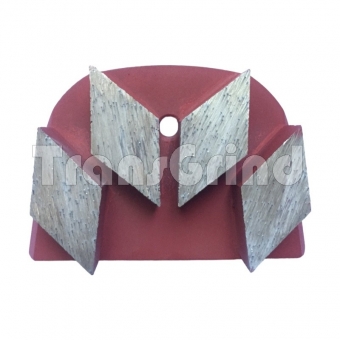
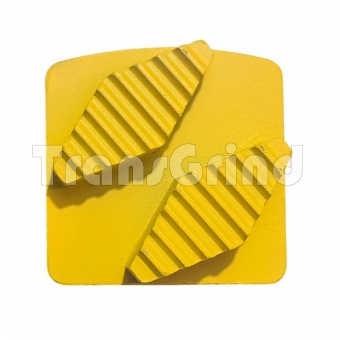
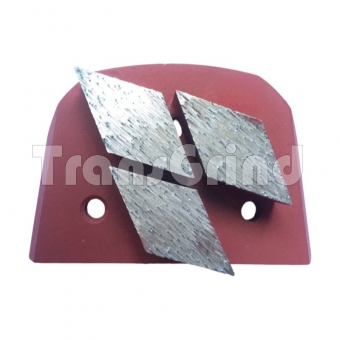
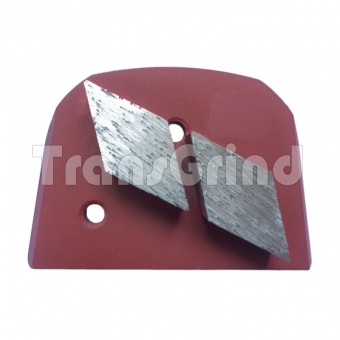
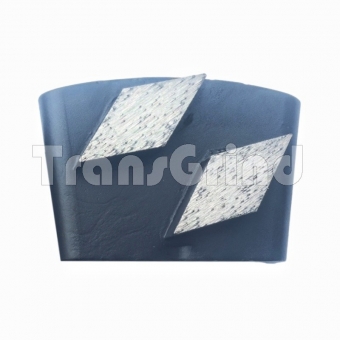
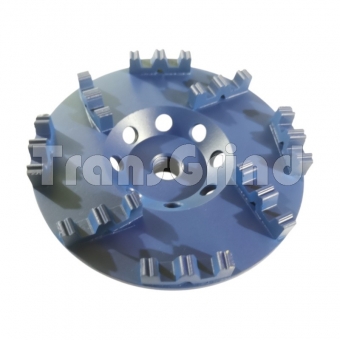
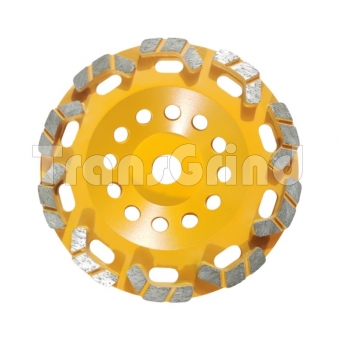
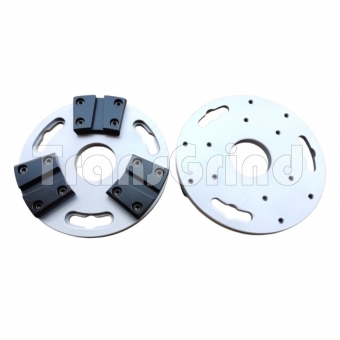
Segment size and design can also make a big difference in how well the grinding goes. Larger segments often last longer and stay stable on big floor areas, while smaller or specialized segment designs may improve cutting speed or handling in tighter, detail-focused work. Just as important is making sure the tool is properly matched to the machine. Using the wrong fitment or running at the wrong speed can lower efficiency, increase vibration, and reduce tool life. With the right machine setup, the diamonds cut more evenly and help create a smoother surface.
Pay Attention to Dust Control and Tool Wear
Dust control is sometimes overlooked, but it strongly impacts grinding performance. Too much dust can clog the diamond segments and reduce cutting, especially during dry grinding. Using the right dust extraction setup keeps the work area cleaner and helps the tools maintain steady contact with the concrete. Contractors should also inspect tools regularly as they work, because worn segments can cause uneven grinding and lead to poor surface results.
Choosing the right diamond grinding tools for concrete isn’t just about speed—it’s about matching the tool to the concrete surface, the machine, and the stage of the project. With the right tool selection and grinding approach, contractors can boost efficiency, minimize unnecessary wear, and achieve more consistent results. For professionals who want dependable concrete grinding solutions, TransGrind offers a wide range of diamond grinding tools made for different concrete conditions and preparation needs.

 IPv6 network supported