English
 français
 Deutsch
 русский
 italiano
 español
 português
 العربية
 日本語
日本語 Polski
 中文
中文
How can we help you
You can contact us at any way that is convenient for you. We are available at 24 hours/7 days via email or telephone.
Contact Us

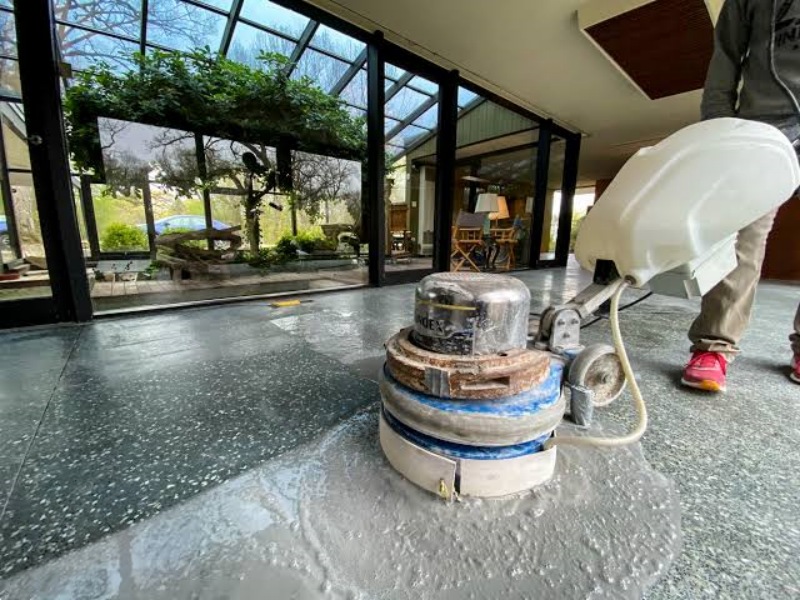
Grinding terrazzo floors is an important process for restoring worn surfaces, correcting imperfections, and preparing the floor for a refined finish. Although terrazzo is known for its durability, years of foot traffic, stains, uneven wear, or previous surface treatments can affect its appearance. A successful grinding process starts with understanding the condition of the floor, including the typ...
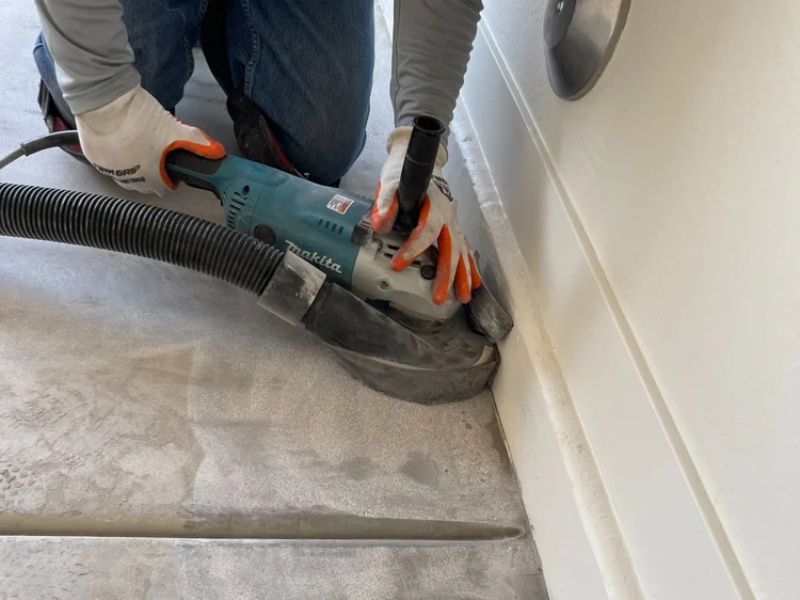
Grinding along edges requires a different approach from working across large, open floor areas. Corners, walls, steps, and other confined sections leave less room for the machine and make it harder to maintain a consistent grinding path. The right edge tools should therefore be selected according to the working area, material condition, and level of precision required. A tool that works well for g...
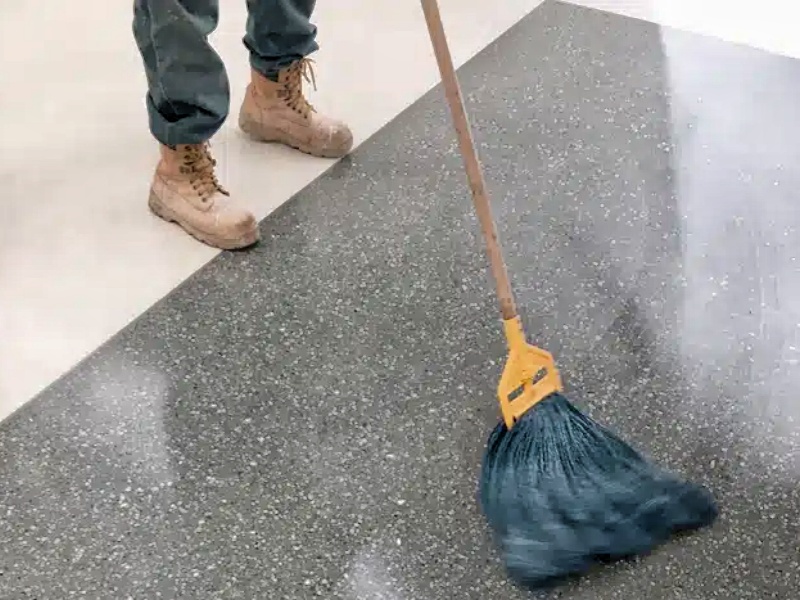
Terrazzo floors are valued for their durability, distinctive appearance, and ability to maintain their performance over many years. However, even a strong flooring material requires proper care to preserve its surface quality. Regular maintenance helps prevent common issues such as dullness, surface wear, staining, and the gradual buildup of dirt or abrasive particles that can affect the appearanc...
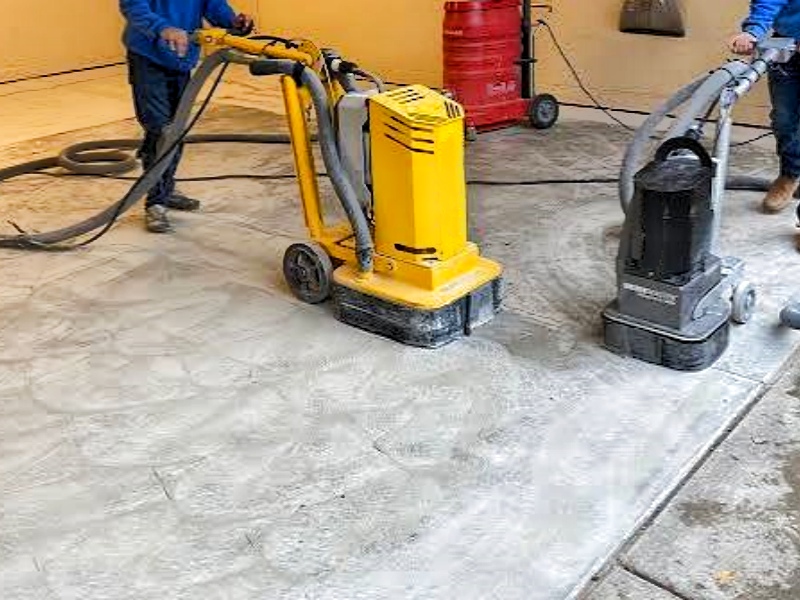
Burn marks on concrete after grinding are usually a sign that too much heat has built up at the contact point between the tooling and the floor. Instead of producing a clean, consistent grinding action, the tool may be rubbing against the concrete or staying in the same area for too long. The result can be a darkened or discolored patch on the surface. In most cases, this is related to the grindin...
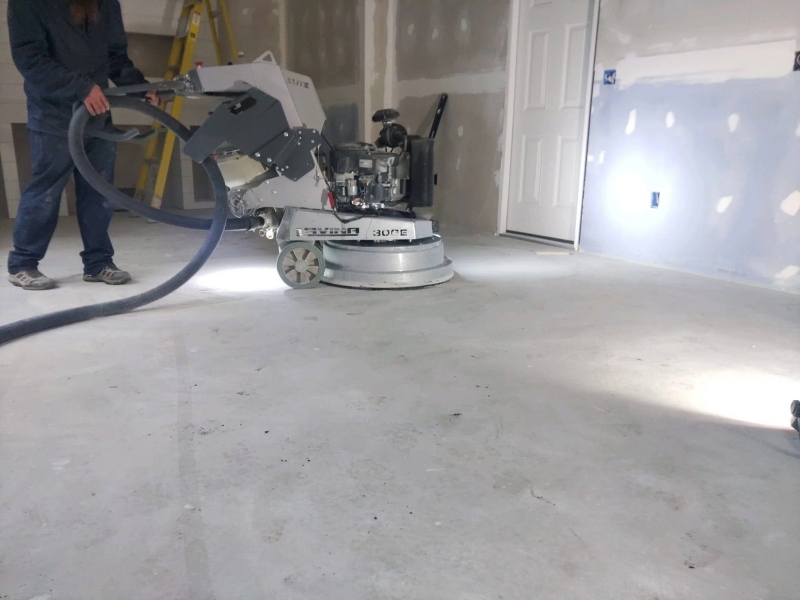
Improving grinding efficiency on concrete floors is not only about using a more powerful machine or applying more pressure. The actual results depend on several factors, including surface condition, tool selection, grinding technique, and job planning. A well-organized grinding process can help reduce unnecessary passes, save labor time, and create a better surface for the next stage, whether the ...
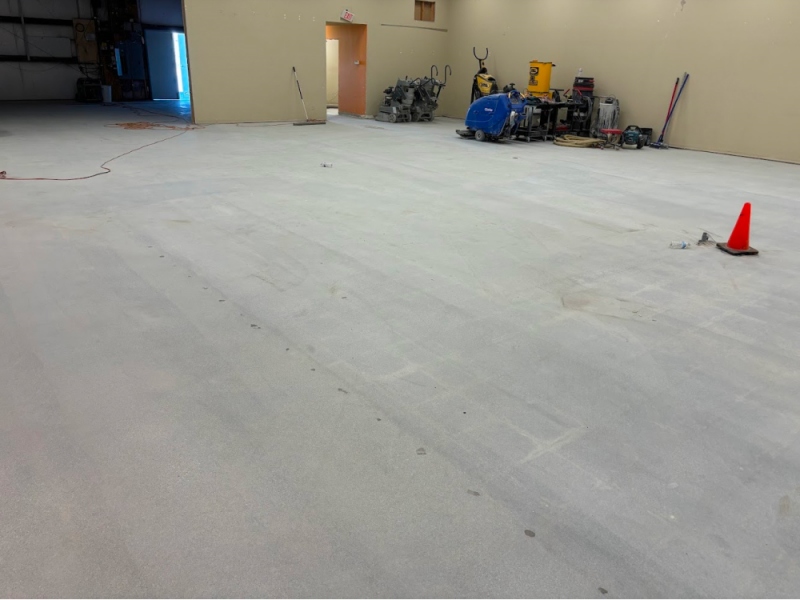
Concrete grinding is an important part of preparing a floor for epoxy because the coating needs a clean, sound, properly profiled surface to bond effectively. The goal is not simply to make the concrete look rough. Grinding should remove weak surface material, laitance, old residues, and minor imperfections while creating a consistent surface profile suitable for the epoxy system being applied. Th...
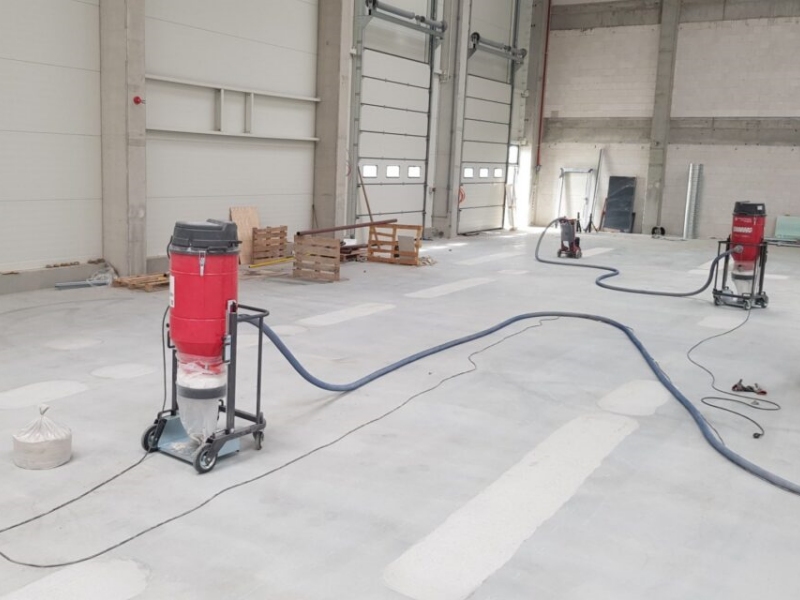
Moving from concrete grinding to polishing is a critical step that strongly influences how the finished floor looks and how high its quality will be. This phase isn’t only about making the surface feel smoother. It’s about carefully refining the scratch pattern left behind from the grinding work, and setting the slab up for the polishing process. When this transition is done correctly, it can help...
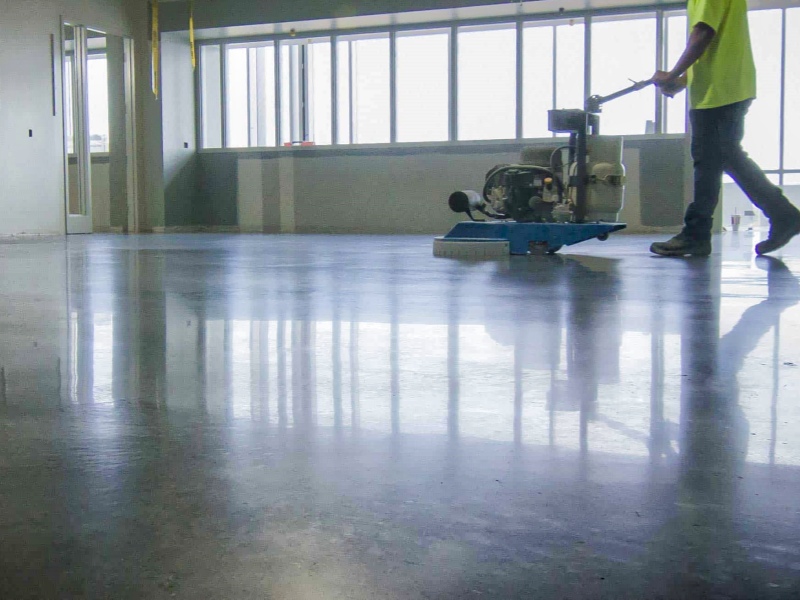
Diamond burnishing pads are typically used during the final maintenance or finishing stage when a polished concrete or stone surface needs improved gloss, smoothness, and appearance without aggressive material removal. Unlike grinding tools that are designed to remove surface material and correct imperfections, diamond burnishing pads are mainly used to refine and enhance an already prepared surfa...

 IPv6 network supported