English
 français
 Deutsch
 русский
 italiano
 español
 português
 العربية
 日本語
 Polski
 中文

How can we help you
You can contact us at any way that is convenient for you. We are available at 24 hours/7 days via email or telephone.
Contact Us

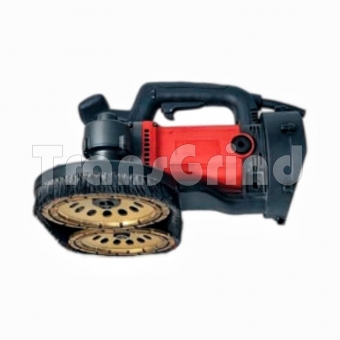
Selecting the right grinding speed and pressure is essential for achieving consistent results when grinding concrete floors. If the machine runs too fast or too much pressure is applied, the diamond tooling may wear unevenly, the floor may develop unwanted marks, or the machine may become difficult to control. On the other hand, insufficient speed or pressure can reduce grinding efficiency and make it harder to remove the surface material. The best settings depend on the concrete condition, the type of diamond tooling, the grinder design, and the result the contractor wants to achieve.
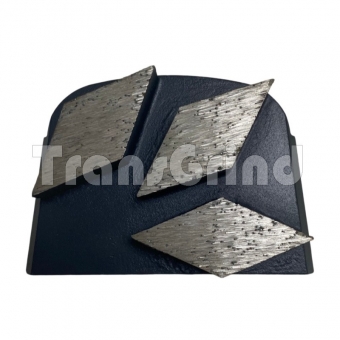
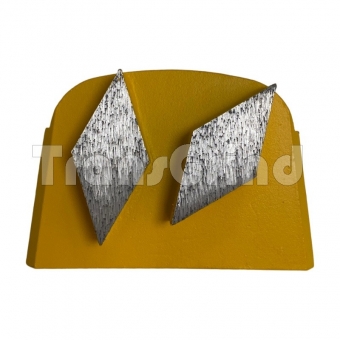
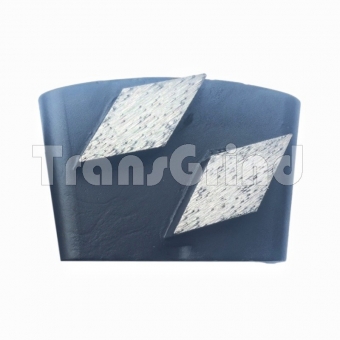
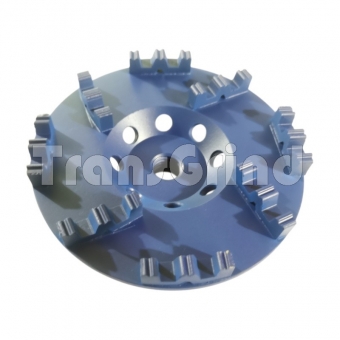
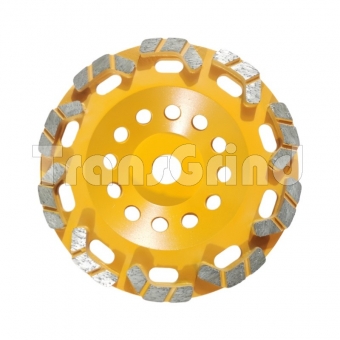
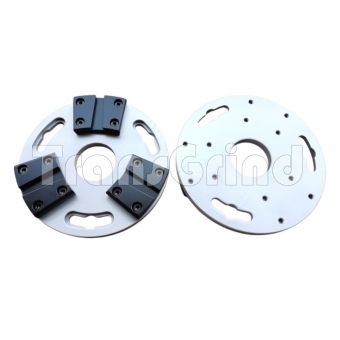
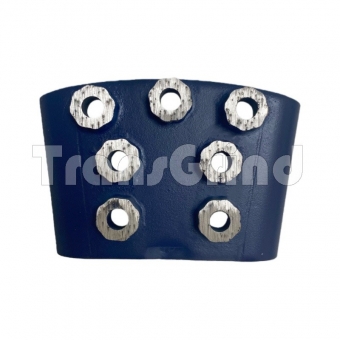
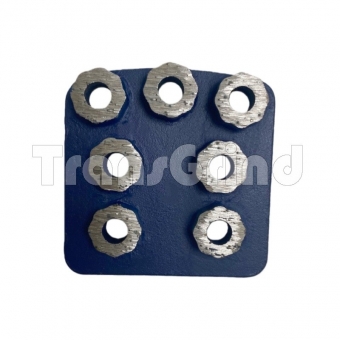
Grinding speed should match the application and tooling. Higher rotational speeds can increase productivity in some situations, but faster is not always better. If the speed is too high for the tooling or the concrete condition, the diamonds may not cut as effectively, and excessive heat or uneven wear may become a concern, particularly during dry grinding. Lower speeds can offer better control for certain tasks, including working around edges or refining a surface. Contractors using concrete diamond grinding tools like Schwamborn metal bond grinding tools should begin within the machine and tooling manufacturers’ recommended speed range, then adjust according to how the diamonds are cutting and how the concrete responds. It is also important to distinguish the grinder’s rotational speed from the machine’s forward travel speed, as both affect the grinding result.
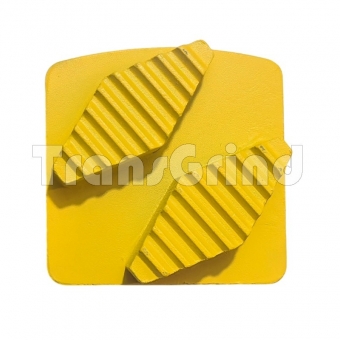
Grinding pressure influences how effectively the diamonds engage with the concrete. Applying more downward force may improve cutting in some conditions, but excessive pressure can overload the machine, accelerate tool wear, and leave inconsistent scratch patterns. Too little pressure may cause the tooling to glide over the surface instead of cutting efficiently. The appropriate pressure depends partly on the grinder’s weight and design, the tooling’s segment configuration, and the hardness and abrasiveness of the concrete. If concrete floor metal grinding tools appear to be cutting poorly, increasing pressure should not be the first response. The bond hardness, grit, tooling condition, and machine settings should also be checked before making an adjustment.
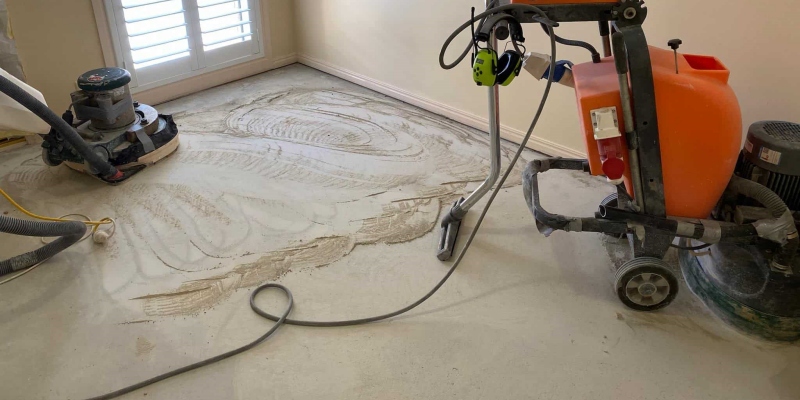
The most reliable way to find suitable settings is to make controlled adjustments and inspect the results. Start with the manufacturer’s recommendations, grind a small test area, and observe the cutting rate, scratch pattern, tool wear, machine stability, and surface consistency. Change one variable at a time so the effect of each adjustment is easier to identify. Keep the tooling appropriate for the task, maintain consistent machine movement, and use suitable dust extraction during dry grinding. For wet grinding, follow the equipment and tooling requirements for water use. If the machine vibrates excessively, the tooling behaves unpredictably, or the surface develops unusual marks, stop and check the setup rather than continuing to increase speed or pressure.
There is no single grinding speed or pressure that works best for every concrete floor. Effective settings come from balancing machine capability, diamond tooling, concrete characteristics, and the required level of material removal or surface refinement. By following manufacturer guidance, testing adjustments carefully, and monitoring the floor throughout the process, contractors can improve grinding consistency, manage tool wear, and achieve results suited to the project.

 IPv6 network supported