Burnishing is a crucial step in caring for polished concrete, terrazzo, and stone floors. While regular cleaning removes dirt from the surface, burnishing brings back shine, enhances clarity, and eliminates minor marks caused by foot traffic over time. The frequency of burnishing depends on factors such as the amount of foot traffic, how the floor is used, and the desired level of shine.
Areas with heavy foot traffic—like retail stores, airports, schools, and commercial lobbies—typically need burnishing more often. In these places, burnishing daily or every other day is common because regular upkeep helps maintain the floor’s reflective finish and prevents it from becoming dull due to constant use. On the other hand, homes or low-traffic areas might only require burnishing every one to four weeks, depending on how quickly the floor loses its brightness.
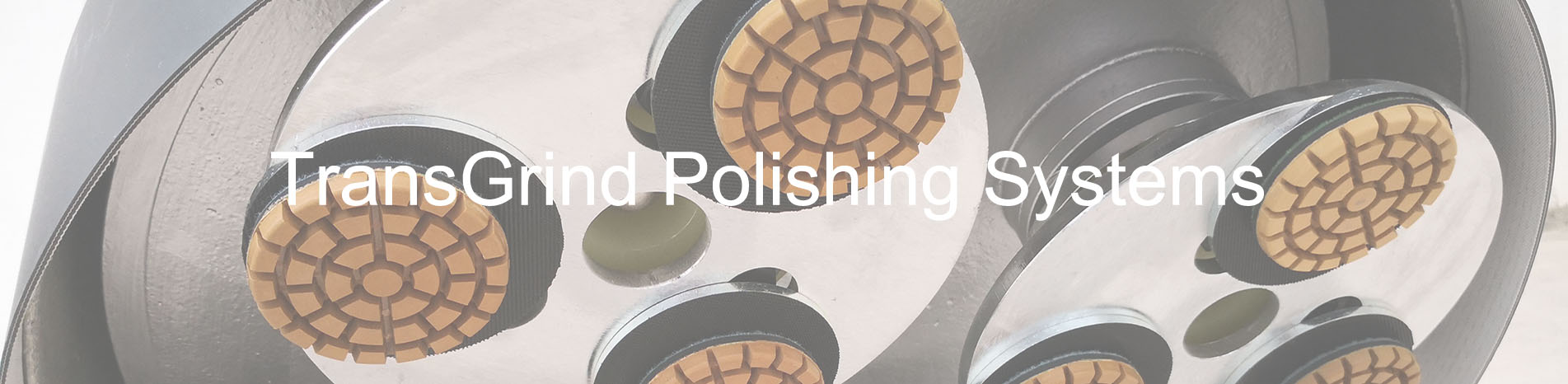
Selecting the appropriate tools is important for effective results. Many maintenance routines use diamond buffing pads to restore shine without removing too much material. For floors that need a slightly deeper cleaning, diamond impregnated pads offer extra cutting power while still being safe for routine maintenance. When only minor touch-ups are needed, traditional floor burnishing pads provide the speed and heat necessary to revive a clean, vibrant shine.
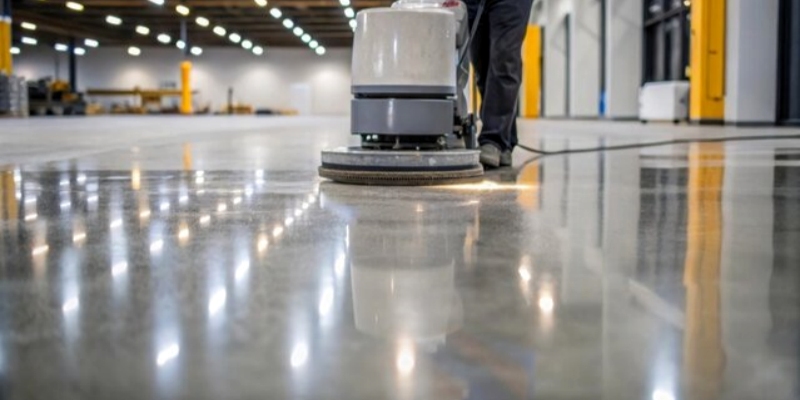
Consistency is essential. Creating a burnishing schedule based on actual foot traffic rather than a fixed timetable leads to better long-term outcomes. Facility managers often adjust how often they burnish after noticing how quickly the floor’s reflectivity fades during daily use. A well-planned routine also minimizes the need for more intensive restoration later, saving both time and money.
For professionals seeking dependable maintenance, TransGrind provides durable pads designed to consistently enhance gloss and offer long-lasting performance. With the right equipment and a balanced burnishing schedule, polished floors can keep their upscale look while enduring everyday wear and tear.

 IPv6 network supported
 English
 français
 Deutsch
 русский
 italiano
 español
 português
 العربية
 日本語
日本語 Polski
 中文
中文