
An uneven floor after grinding typically happens when the original surface condition, machine control, or grinding sequence hasn’t been properly balanced. Grinding is often used to fix uneven areas, but if the job isn’t done with the right technique and tools, it can end up emphasizing high and low spots rather than smoothing everything out evenly. So, identifying the root cause is the first step toward correcting the problem.
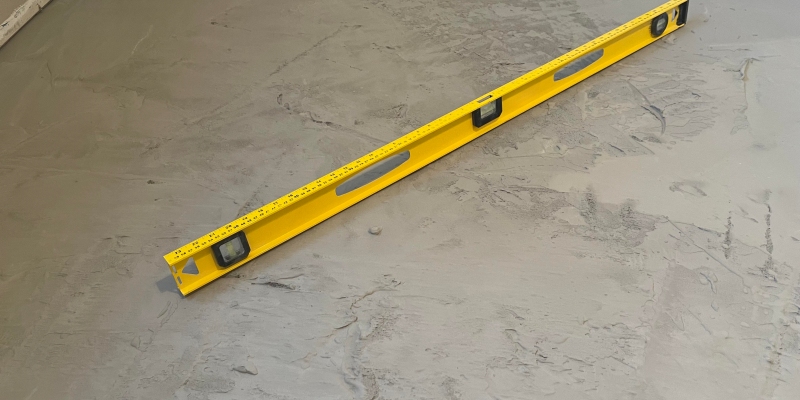
One of the most common reasons is that the floor already has a noticeable amount of variation before grinding even begins. Concrete slabs are rarely perfectly flat, particularly in large commercial or industrial spaces. If high and low areas aren’t detected early, the grinder will just follow the existing shape of the floor. In that situation, grinding by itself won’t create true flatness unless you make multiple passes and use proper leveling methods.
Another common factor is how the machine is handled during the process. Uneven pressure, inconsistent walking speed, or incorrect overlap between passes can easily leave waves or striping on the surface. Even when the diamond tools are the right ones, poor control of the machine can still produce an uneven finish. This is especially noticeable with large planetary grinders, where how the operator moves the equipment directly affects surface consistency.
Tool selection and the grinding sequence also have a big impact. Using the wrong bond hardness or skipping grit stages can stop the floor from leveling properly. For example, if the tools are too aggressive for the concrete condition, they may dig in unevenly; if they aren’t aggressive enough, they may not remove enough material. A proper step-by-step progression using the right diamond grinding tools is necessary to refine the surface gradually and avoid leaving visible high or low areas behind. Diamond grinding cup wheels are often used for edge work and localized leveling, while trapezoid diamond grinding tools are commonly used on planetary grinders for general grinding and overall surface leveling.
In many cases, dust buildup and inadequate cleaning between grinding stages can also contribute to uneven results. If dust remains on the surface, it can give a misleading impression of flatness and interfere with good tool contact. That reduces grinding efficiency and can lead to inconsistent grinding patterns. Keeping the floor clean during each stage helps ensure stable contact between the tools and the concrete.
Overall, an uneven floor after grinding is usually not caused by just one thing—it’s typically a mix of the surface condition, machine control, and tool selection. With a proper assessment before you start and a consistent grinding process, most unevenness can be corrected effectively, leaving you with a smooth, well-leveled concrete surface.

 IPv6 network supported
 English
 français
 Deutsch
 русский
 italiano
 español
 português
 العربية
 日本語
日本語 Polski
 中文
中文