English
 français
 Deutsch
 русский
 italiano
 español
 português
 العربية
 日本語
日本語 Polski
 中文
中文
How can we help you
You can contact us at any way that is convenient for you. We are available at 24 hours/7 days via email or telephone.
Contact Us
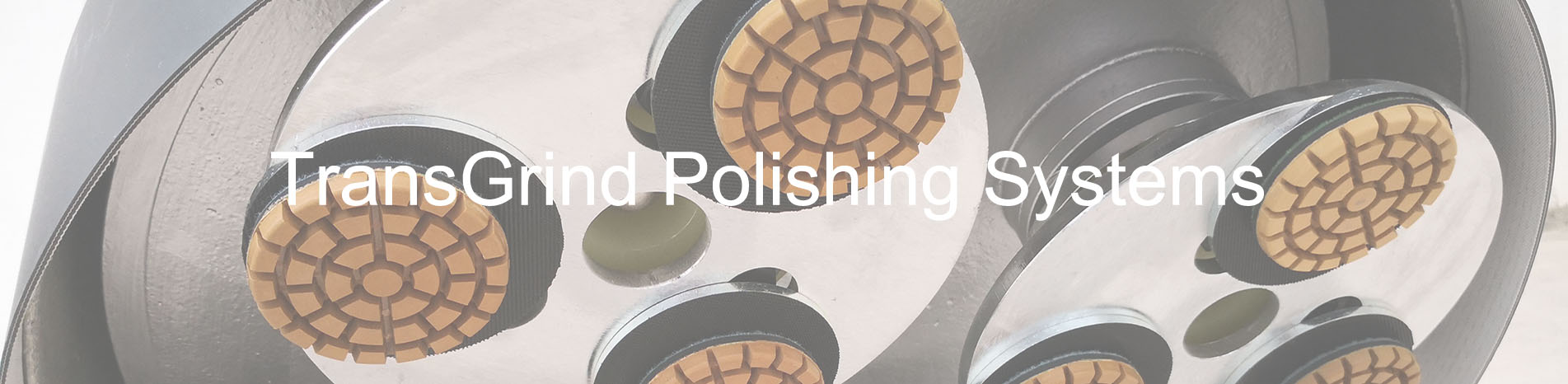
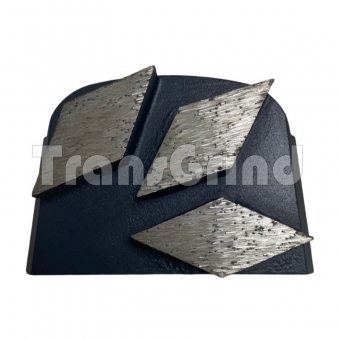
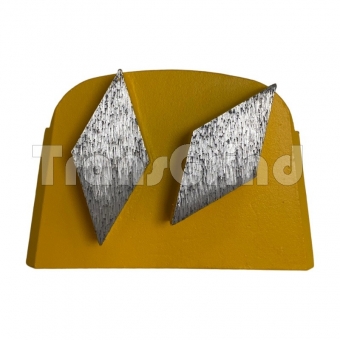
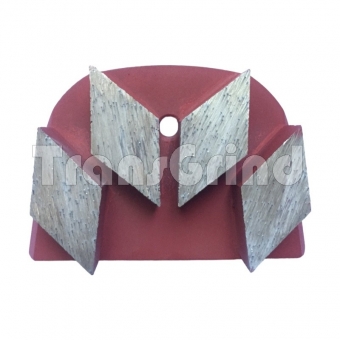
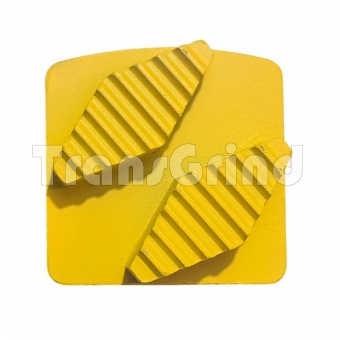
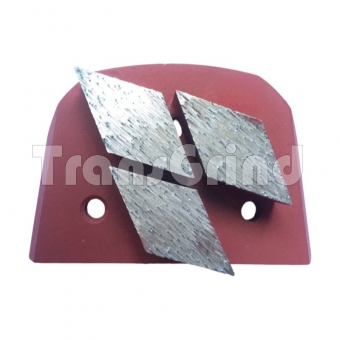
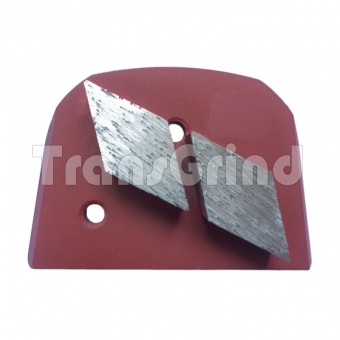
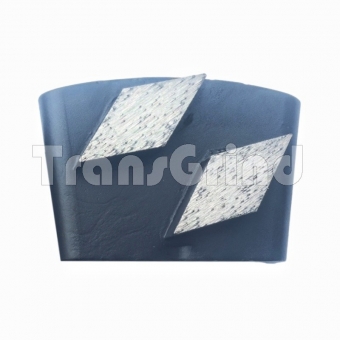
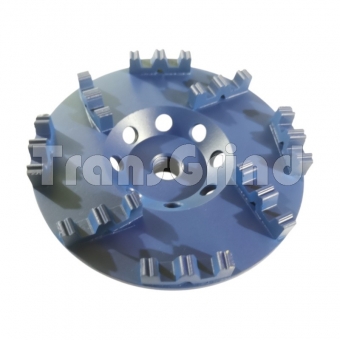
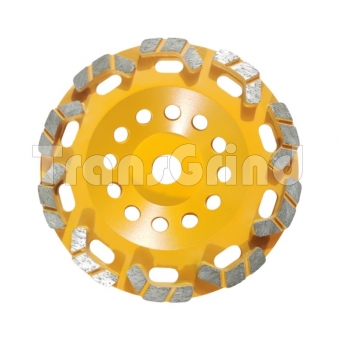
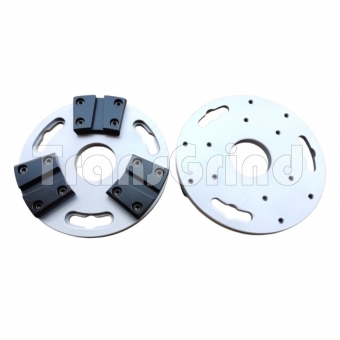
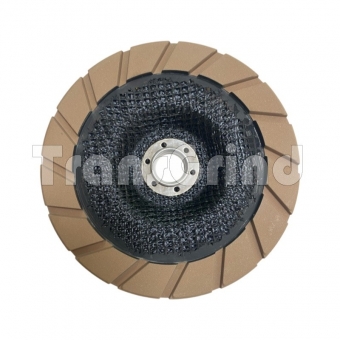
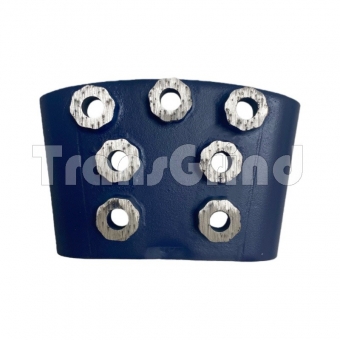
Choosing the appropriate transitional pad is crucial for achieving consistent results in concrete polishing. This step comes between metal grinding and resin polishing, aiming to refine the scratch pattern without removing excessive material. The difficulty lies in the fact that different concrete floors react differently, so the same concrete transitional tool may won’t perform equally well on every surface. Selecting a transitional pad that matches the floor type helps prevent slow progress, uneven finishes, or unnecessary wear on polishing pads.
Concrete hardness is typically the primary factor to consider. Harder floors tend to resist cutting, requiring a more aggressive hybrid transitional tool to effectively eliminate metal scratches. On softer concrete, using overly aggressive pads can cause rapid wear or leave additional marks that are hard to remove later. Picking a pad with the right balance of cutting power and control allows the transition phase to proceed smoothly without causing new issues.
The condition of the surface also influences pad choice. Floors with deep scratches from previous grinding steps often need a stronger transitional action to even out the surface. Conversely, if the metal grinding was done carefully and the scratch pattern is already uniform, a gentler, less aggressive pad can be used to efficiently refine the surface. Focusing on the actual condition of the floor rather than following a rigid sequence usually yields better outcomes.
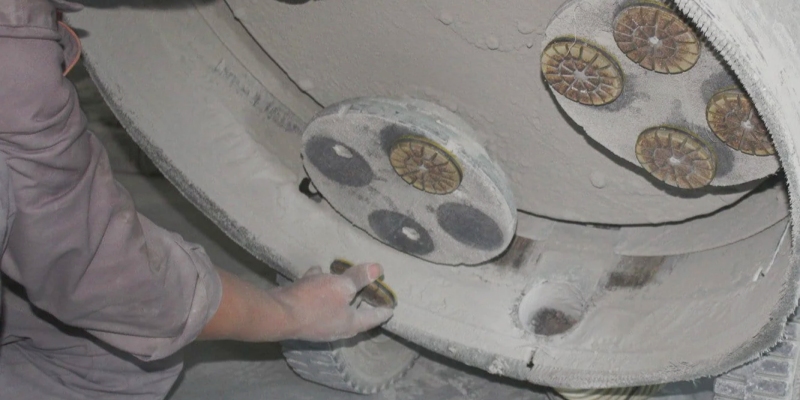
Another factor is how the pad performs during use. Some transitional pads are designed for more aggressive cutting, while others emphasize smoothing and consistency. In practice, it’s often best to adjust based on how the floor responds instead of sticking to one method. Many contractors prefer TransGrind transitional pads for dependable performance across various floor conditions, as consistency at this stage helps reduce effort in later polishing steps.
Ultimately, selecting the right transitional pad isn’t about finding a one-size-fits-all solution but about understanding the specific floor you’re working on. When hardness, surface condition, and tool behavior are all considered, the transition phase becomes more predictable, resulting in a cleaner surface, a more efficient polishing process, and a superior final finish.

 IPv6 network supported