English
 français
 Deutsch
 русский
 italiano
 español
 português
 العربية
 日本語
日本語 Polski
 中文
中文
How can we help you
You can contact us at any way that is convenient for you. We are available at 24 hours/7 days via email or telephone.
Contact Us

Evaluate Your Concrete Floor
Avoiding mistakes in concrete grinding begins with getting to know the surface you’re working on. Every concrete floor is different, with its own hardness, porosity, and any past treatments. If you skip this step, you may end up with an uneven finish, excessive tool wear, or even damage to the surface. Before you start, inspect the floor carefully and pay attention to areas that have been repaired or will be exposed to heavy foot or vehicle traffic.
Select the Appropriate Grit and Tools
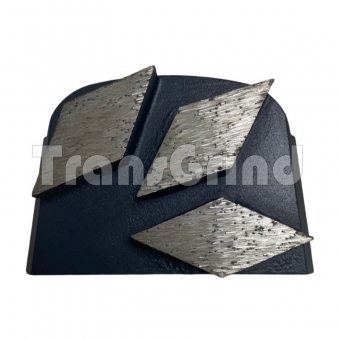
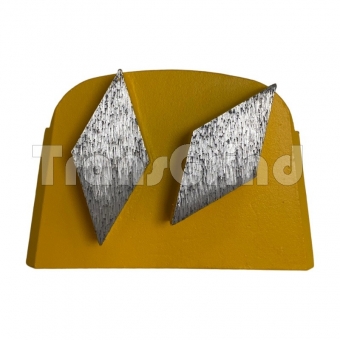
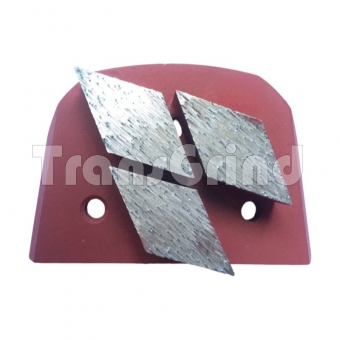
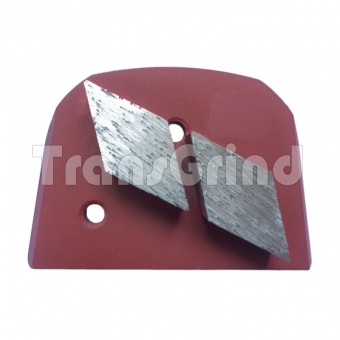
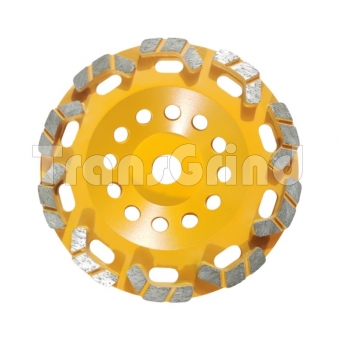
Picking the right grit sequence is crucial if you want efficient grinding and a consistent surface profile. Starting with a grit that is too coarse on a relatively smooth floor can leave deep scratches, while starting too fine may slow material removal and reduce productivity. Coarse metal grinding tools are commonly used to remove high spots and correct surface irregularities, while medium-grit tools help refine the scratch pattern before the next grinding stage. Matching the grit and tool bond to the concrete condition helps prevent unnecessary tool wear and delivers more consistent results throughout the project.
Maintain Consistent Machine Handling
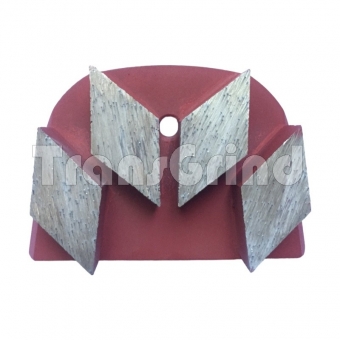
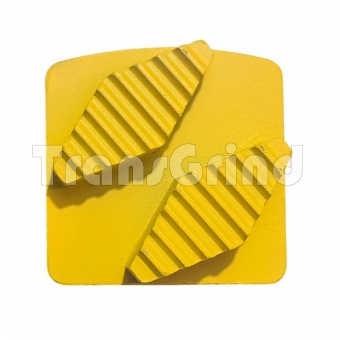
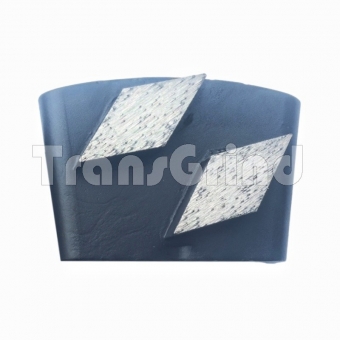
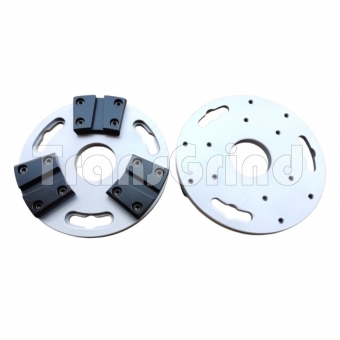
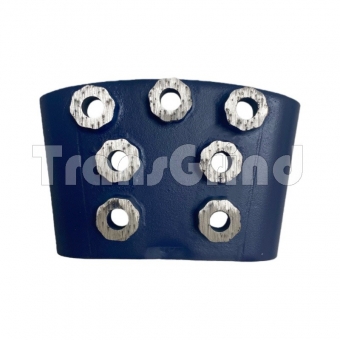
How you operate the grinding machine has a big effect on the final outcome. Uneven pressure, inconsistent speed, or awkward movement patterns can cause visible marks or result in a surface that isn’t uniform. Keep a steady pace, use balanced pressure, and make sure each pass overlaps slightly with the last one. For floor transitions and edge refinement, using hybrid transitional diamond tools can help smooth out the areas between different surface levels while maintaining a consistent finish. This careful approach improves the performance of your diamond tools and helps protect the concrete.
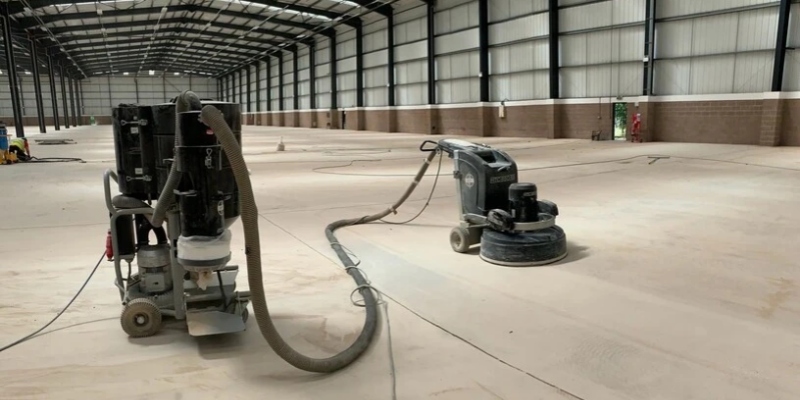
Control Dust and Debris
Dust control is sometimes overlooked, but it’s essential for both safety and efficiency. Too much dust can lower cutting performance and cause faster tool wear. Using dust extraction systems and cleaning the floor regularly throughout the grinding process helps keep everything working at its best while creating a safer job site. Effective dust management also leads to a more precise and cleaner final finish.
Inspect and Maintain Tools Regularly
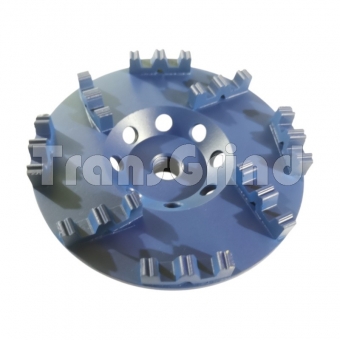
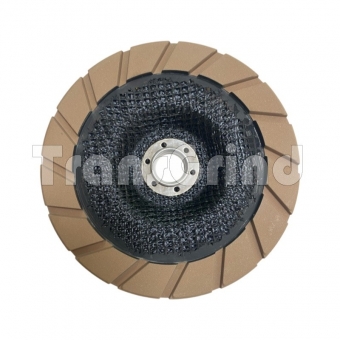
Lastly, the condition of your diamond tools plays a major role in preventing issues. If your tools are worn out or damaged, you may get inconsistent results, need more passes, and in some cases even risk harming the concrete. Check every diamond grinding and polishing tool before starting and again during the project to ensure consistent cutting performance and help extend tool lifespan.
Preventing common mistakes in concrete grinding comes down to careful planning, consistent technique, choosing the right tools, and staying on top of maintenance. Contractors who follow these steps typically deliver higher-quality surfaces with fewer rework cycles. For dependable, high-performance diamond tools that meet these standards, TransGrind diamond tooling is a trusted option.

 IPv6 network supported