English
 français
 Deutsch
 русский
 italiano
 español
 português
 العربية
 日本語
日本語 Polski
 中文
中文
How can we help you
You can contact us at any way that is convenient for you. We are available at 24 hours/7 days via email or telephone.
Contact Us
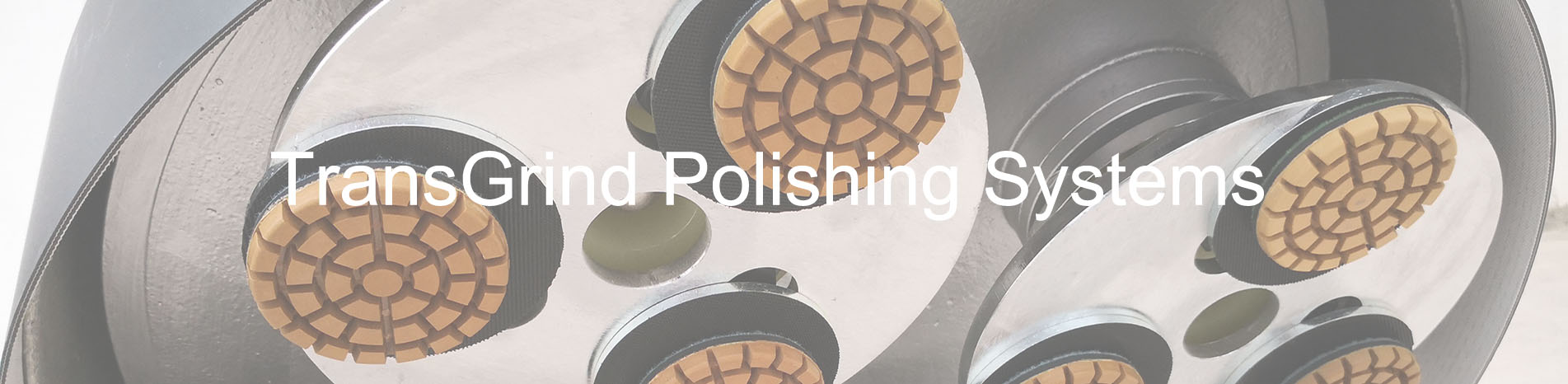
Diamond tools may wear quickly for different reasons, and fast wear does not always mean the tool quality is poor. In some applications, a certain level of wear is necessary because the bond gradually releases worn diamonds and exposes new ones to maintain cutting performance. For example, a softer bond used on hard concrete is expected to wear faster to keep fresh diamonds working effectively.
However, if a diamond tool wears much faster than expected or loses performance too quickly, the cause may be an incorrect bond selection, unsuitable grinding conditions, or improper operating methods.
Understanding the reasons behind diamond tool wear can help contractors choose the right tool and improve grinding efficiency.
How Does Diamond Tool Wear Work?
Diamond grinding tools are designed to wear during operation. The bond matrix holds the diamond particles and gradually breaks down as the tool works against the concrete surface.
This controlled wear process is important because it allows new diamond particles to become exposed. If the bond does not wear at the right rate, the tool may either:
The goal is to achieve a balanced wear rate where the tool continues grinding effectively throughout the project.
Incorrect Bond Selection
Bond selection is one of the most important factors affecting diamond tool wear.
Different concrete conditions require different bond hardness.
For example:
When the bond does not match the concrete condition, the tool may not perform efficiently.
A bond that is too soft for the application can wear faster than intended, while a bond that is too hard may cause the tool to glaze and reduce cutting performance.
Concrete Conditions Affect Tool Wear
The condition of the concrete surface has a major impact on tool performance.
Factors such as:
can change how quickly a diamond tool wears.
Even two floors that appear similar may require different diamond tools because their surface conditions are not exactly the same.
Selecting a tool based only on machine type or product appearance may lead to poor performance if the tool is not suitable for the actual floor.
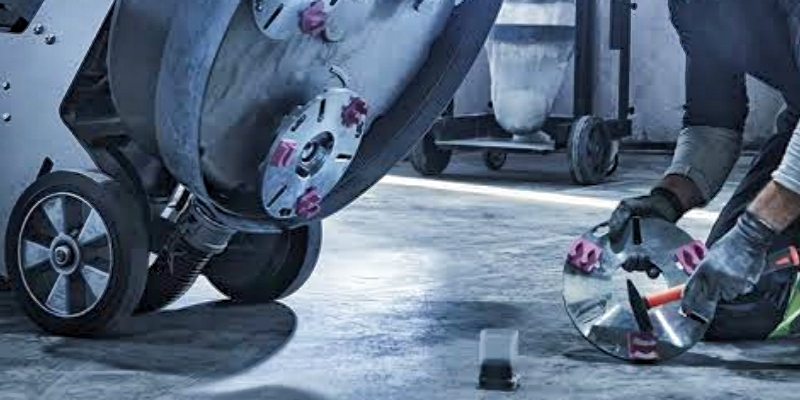
Grinding Pressure and Operation
Operating conditions also affect diamond tool wear.
Excessive grinding pressure can increase stress on the segments, generate additional heat, and accelerate wear.
However, more pressure does not always mean faster grinding. In many cases, proper machine settings and consistent movement allow the diamonds to cut more efficiently.
Factors such as:
all influence how evenly the tool wears during the project.
Choosing the Right Diamond Tool
Diamond tools wear at different rates depending on the bond, concrete condition, and grinding process. A certain amount of wear is necessary to maintain cutting performance, but excessive wear usually indicates that the tool or operating conditions need to be adjusted.
Choosing the right diamond grinding tooling helps achieve a better balance between cutting efficiency, tool life, and overall grinding results.

 IPv6 network supported