English
 français
 Deutsch
 русский
 italiano
 español
 português
 العربية
 日本語
日本語 Polski
 中文
中文
How can we help you
You can contact us at any way that is convenient for you. We are available at 24 hours/7 days via email or telephone.
Contact Us

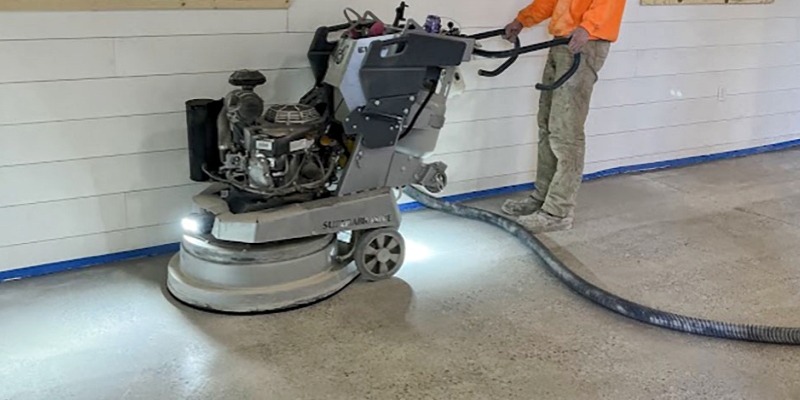
There is no fixed number of polishing steps required for every concrete floor. Most concrete polishing projects involve multiple stages, but the exact number depends on the condition of the concrete, the desired finish, and the polishing system being used. A simple floor may require fewer steps, while a high-gloss decorative finish usually requires a more detailed grit progression.
The purpose of each step is to refine the surface gradually, remove the scratch pattern from the previous stage, and prepare the concrete for the next level of finish.
What Are the Main Stages of Concrete Polishing?
Although every project is different, professional concrete polishing usually includes several key stages.
Surface Preparation and Initial Grinding
The first stage focuses on preparing the concrete surface before polishing begins.
Depending on the floor condition, this may include:
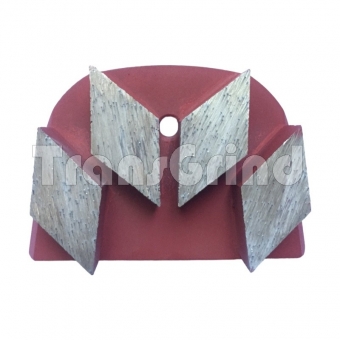
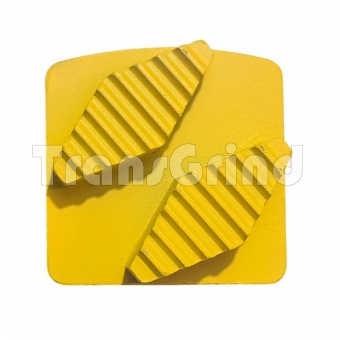
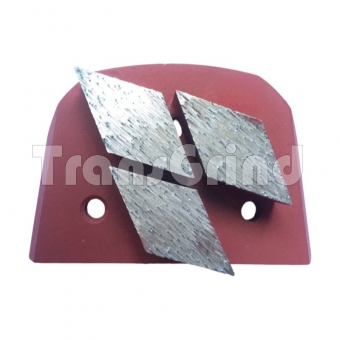
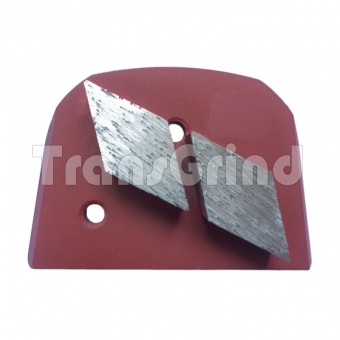
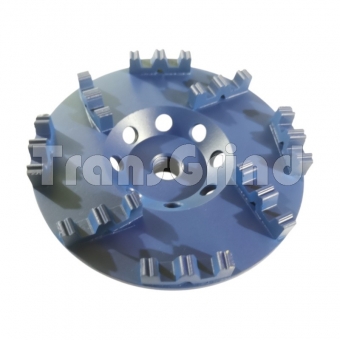
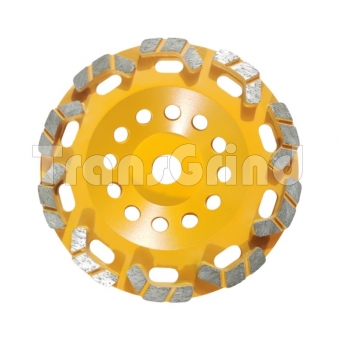
Coarse metal bond diamond tools are commonly used during this stage because they provide efficient material removal and help create a suitable surface for the following steps.
Progressive Grinding and Surface Refinement
After the initial grinding stage, the concrete surface is gradually refined using finer diamond grits.
The purpose of each grinding stage is not simply to move to a finer grit, but to remove the scratch pattern created by the previous step.
The exact grit sequence depends on:
A properly completed grinding stage creates a more consistent surface and reduces problems during later polishing.
Resin Polishing Stages
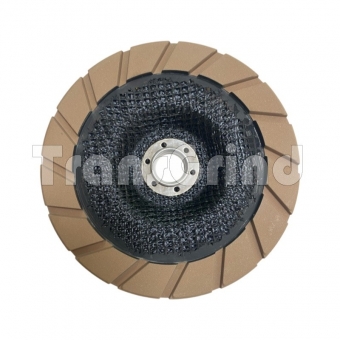
Once the concrete surface has been properly refined, resin bond diamond polishing pads are used to further smooth the surface and develop the desired finish.
Depending on the concrete condition and the polishing system, resin polishing may progress through different grits, including:
Not every project requires every grit step. Some floors may stop at a lower grit for a matte or satin appearance, while projects requiring a higher level of clarity and shine may continue through finer polishing stages.
How Many Grit Steps Are Usually Needed?
The number of grit steps varies from project to project.
For example:
Experienced contractors typically evaluate the surface after each stage rather than following the same grit sequence for every project.
The important question is not how many steps are used, but whether each stage has achieved its purpose before moving forward.
Can You Skip Some Polishing Steps?
Sometimes, but it depends on the floor condition and the desired result.
Skipping a grit step may be possible when the previous stage has already removed the deeper scratches and created a surface condition suitable for the next polishing stage.
However, skipping too many steps can leave visible scratches behind, which may become more noticeable during the final polishing stages.
A more efficient process does not always mean using fewer steps. It means selecting the right grit progression for the specific floor.
What Factors Affect the Number of Polishing Steps?
Several factors influence how many stages a concrete polishing project requires.
Concrete Condition
Rough, uneven, or damaged concrete usually needs more preparation before polishing. Floors with better initial conditions may require fewer steps.
Desired Finish
The final appearance has a major impact on the polishing process.
Diamond Tool Selection
The performance of metal bond diamond tools and resin polishing pads can affect how efficiently each stage is completed.
Using the correct tools for each stage helps create a more consistent finish and reduces unnecessary work.
Choosing the Right Polishing Process
Concrete polishing does not follow a universal number of steps. The right process depends on the condition of the floor, the required finish, and the diamond tools being used.
A successful polishing project is not about completing the maximum number of steps. It is about making sure each stage properly prepares the surface for the next one.
By following a suitable grit progression and using the right diamond polishing tools, contractors can achieve a more consistent finish, improve efficiency, and reduce the risk of visible surface defects.

 IPv6 network supported