English
 français
 Deutsch
 русский
 italiano
 español
 português
 العربية
 日本語
日本語 Polski
 中文
中文
How can we help you
You can contact us at any way that is convenient for you. We are available at 24 hours/7 days via email or telephone.
Contact Us

What Grit Truly Signifies in Diamond Grinding
In diamond tools, grit refers to the size of the diamond particles embedded within the bonding material. Lower grit numbers correspond to larger diamond particles that cut more aggressively and remove material faster, whereas higher grit numbers involve finer diamonds intended for smoothing rather than heavy material removal. In concrete grinding and polishing, choosing the right grit directly influences cutting speed, surface finish, and the lifespan of the tool. Using an inappropriate grit can result in slow progress, excessive tool wear, or surface damage that is difficult to fix in later stages.
How Scratch Patterns Affect Floor Performance
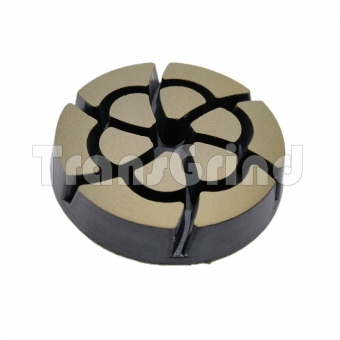
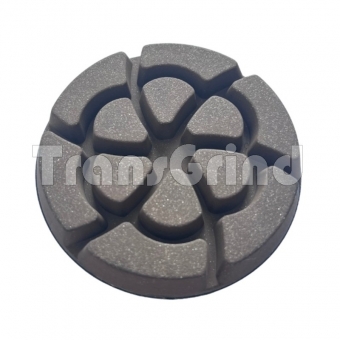
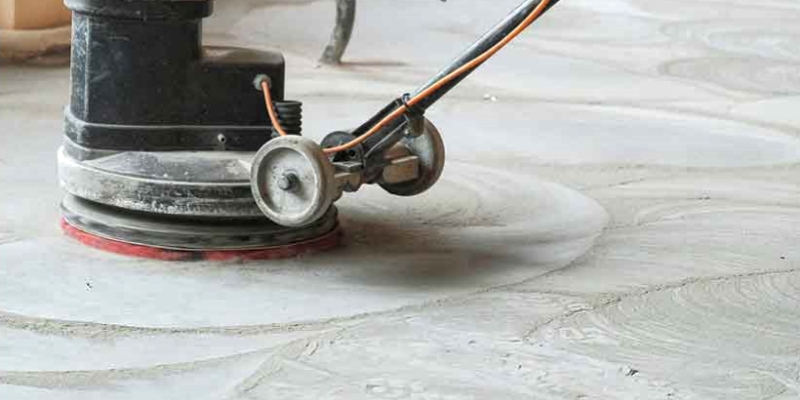
The scratch profile describes the pattern and depth of scratches left on the surface after grinding. This profile is more than just aesthetic; it impacts the effectiveness of subsequent grinding or polishing steps. Deep, uneven scratches can hinder polishing efficiency, while scratches that are too fine too early can restrict material removal. Well-designed EZ Change diamond grinding tools produce a consistent scratch profile that balances efficiency with surface control, enabling contractors to progress smoothly through each phase of the process.
The Connection Between Grit and Scratch Profile
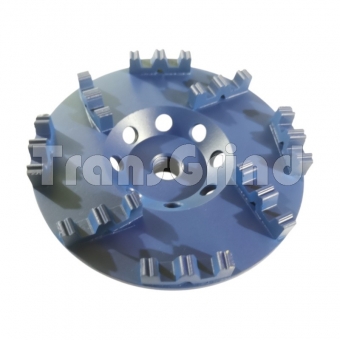
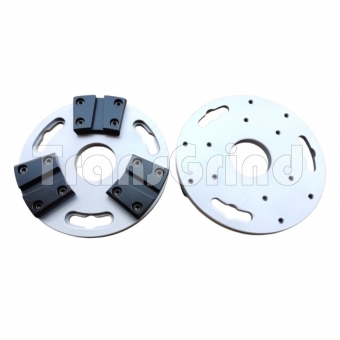
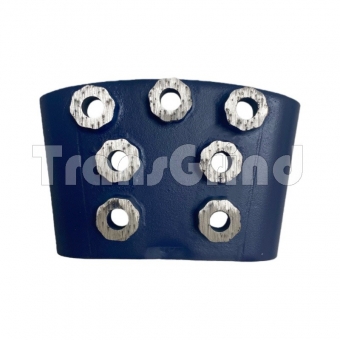
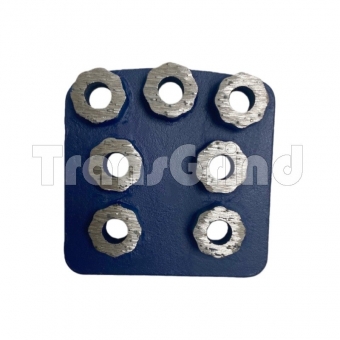
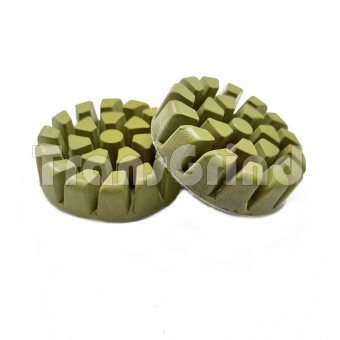
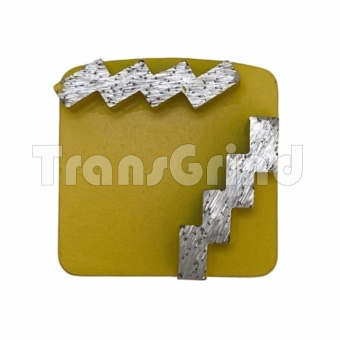
Grit size and scratch profile are closely related but not the same. Coarser grits naturally create deeper scratches, but factors such as bond type, diamond concentration, and segment design also significantly influence the outcome. For instance, a Schwamborn Knock On diamond grinding shoe used for surface preparation is engineered to deliver a controlled scratch profile, even at coarse grit levels, by optimizing bond formulation and segment layout. This controlled scratch pattern allows the surface to transition efficiently into subsequent resin polishing steps. When grit and bond are properly matched to the floor’s condition, grinding behavior becomes predictable and performance remains stable.
Practical Tips for Choosing Tools
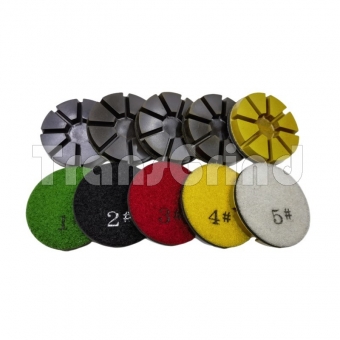
The hardness of the floor, type of coating, and project objectives should guide grit selection rather than habit or guesswork. On hard concrete, using a softer bond with the appropriate grit helps maintain cutting efficiency while keeping the scratch pattern consistent. On softer floors, harder bonds prevent rapid wear and excessive scratching. At TransGrind, tool development emphasizes matching grit design to real-world grinding conditions so contractors can achieve reliable results on concrete, terrazzo, and stone surfaces.
Why This Knowledge Matters on the Jobsite
Understanding the difference between grit and scratch profile helps minimize rework, save labor time, and prolong the life of diamond tools. When contractors choose tools based on how the scratch profile supports the next step, grinding becomes a controlled, efficient process rather than trial and error. This technical insight distinguishes average surface preparation from professional-grade floor finishing, especially on challenging projects where both quality and efficiency are crucial.

 IPv6 network supported