English
 français
 Deutsch
 русский
 italiano
 español
 português
 العربية
 日本語
日本語 Polski
 中文
中文
How can we help you
You can contact us at any way that is convenient for you. We are available at 24 hours/7 days via email or telephone.
Contact Us
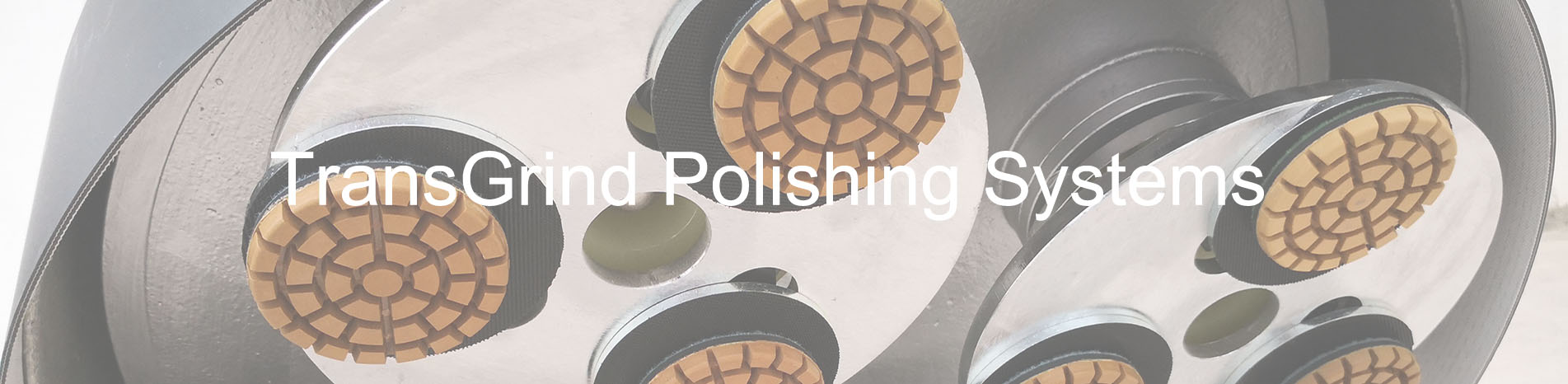
Achieving a glossy finish on concrete involves careful surface preparation rather than just working quickly. The slab’s condition—such as its flatness, hardness, and existing wear—affects how the finish develops. Addressing these factors early ensures that the polishing process enhances clarity instead of emphasizing imperfections.
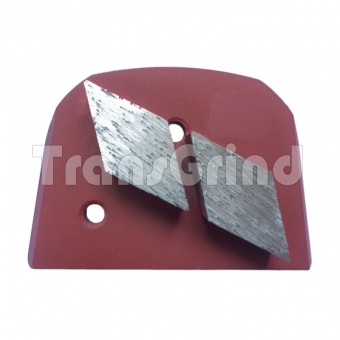
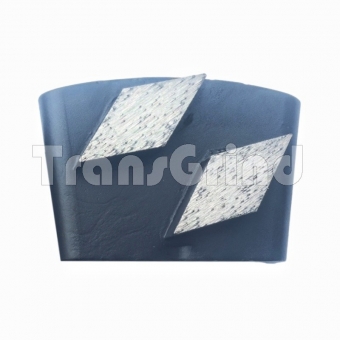
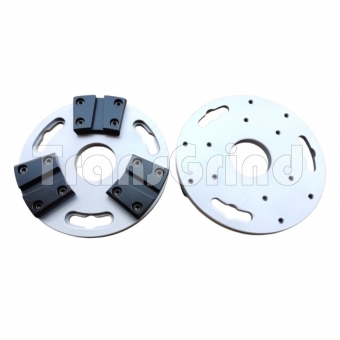
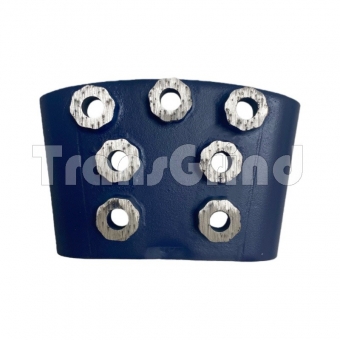
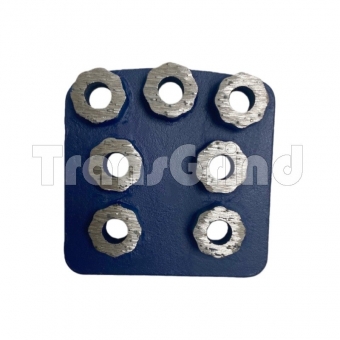
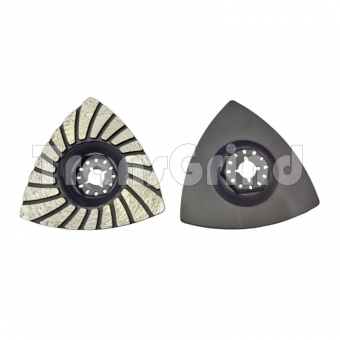
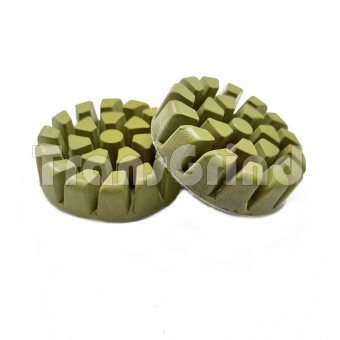
The initial grinding step lays the groundwork for the gloss. Using metal-bond diamond grinding tools such as Schwamborn Knock On grinding tools helps level the surface and remove weak layers, creating a stronger, more uniform base that supports better light reflection. Consistent passes and controlled machine movement create a uniform surface profile, which is crucial for an even shine across the floor.
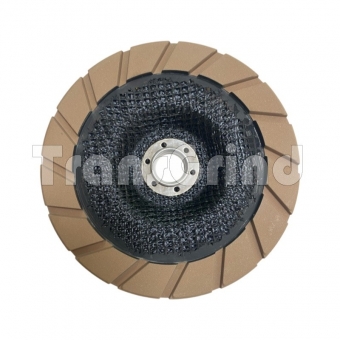
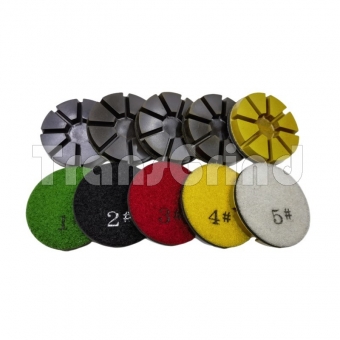
As the surface smooths out, polishing shifts focus to refining scratch patterns rather than removing more material. At this point, concrete floor wet polishing tools gradually improve surface clarity by tightening the concrete’s structure. Applying steady pressure and maintaining the right speed prevents swirl marks and promotes a reflective, glass-like finish without overworking the surface.
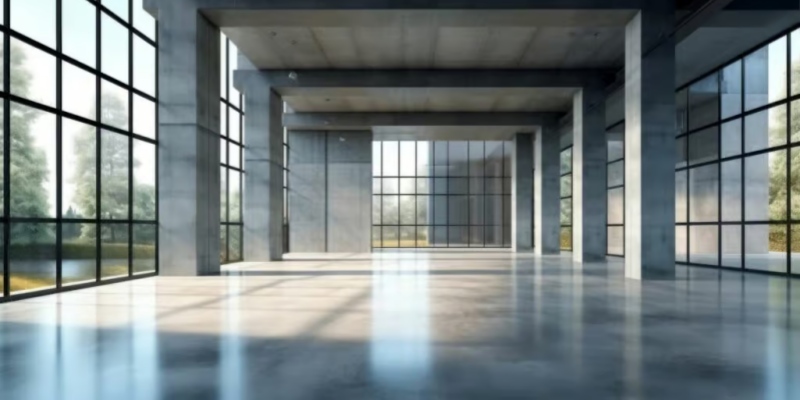
Environmental factors also influence polishing outcomes. Controlling dust, heat, and moisture ensures the floor reacts predictably during each step. Using clean tools and following a disciplined polishing sequence allows finer abrasives to build on previous work rather than fixing avoidable flaws.
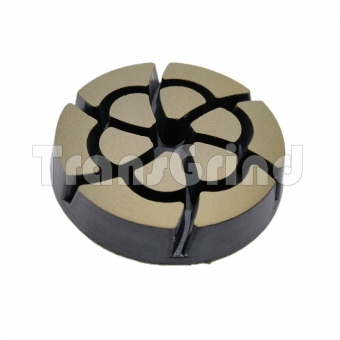
The final look of polished concrete depends on how well the surface is consolidated in the finishing stages. Using concrete burnishing pads enhances gloss by further compacting the surface and boosting light reflectivity. When each step is performed precisely, polished concrete achieves a durable, high-gloss finish that withstands daily use while maintaining its aesthetic appeal.

 IPv6 network supported